
Understanding Moroccan Design Elements
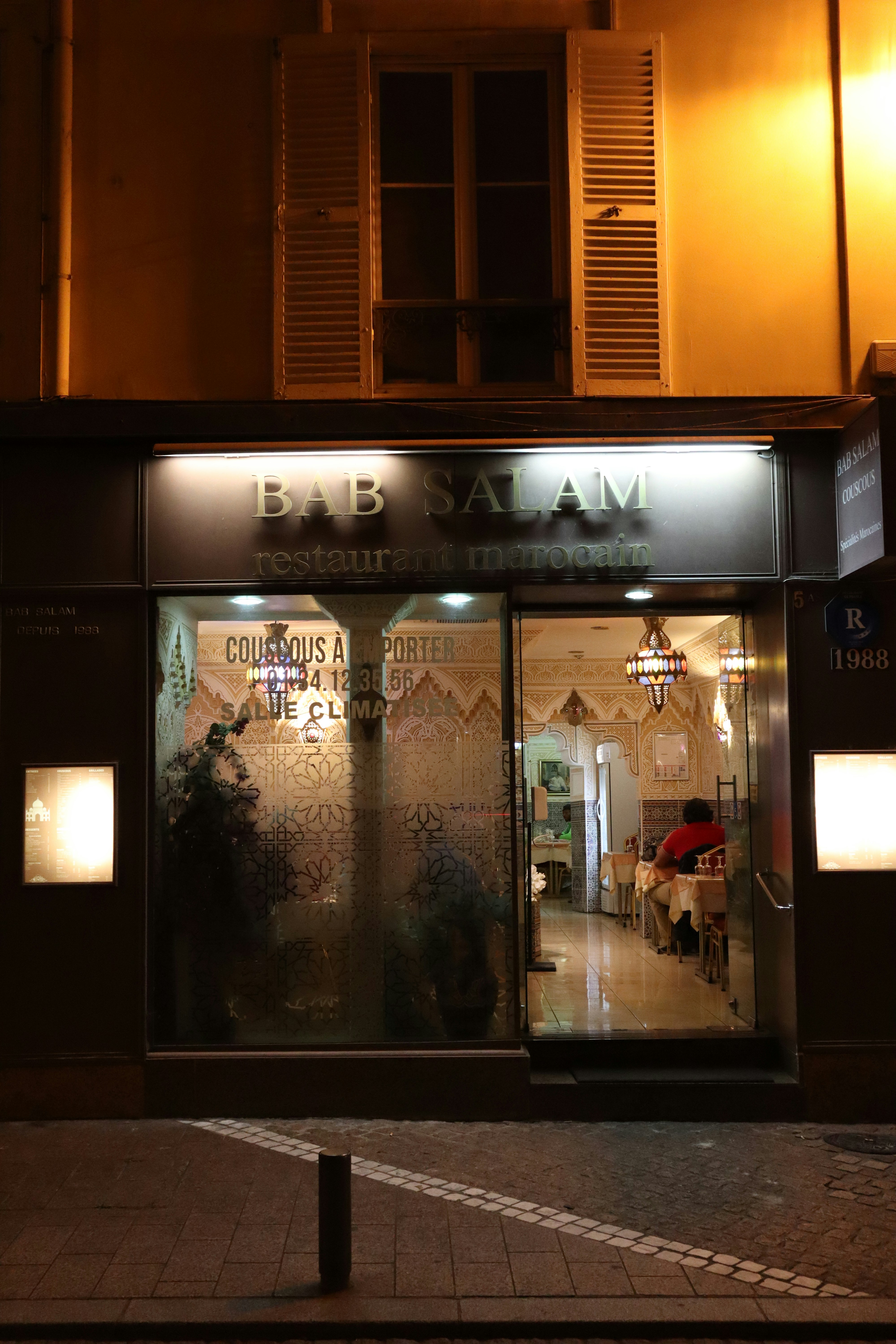
Moroccan design is rich and vibrant, characterized by unique patterns, colors, and textures that reflect the country’s cultural heritage. Key traditional motifs such as zellige, arabesque, and moucharabieh are essential elements that can be beautifully integrated into a modern user interface. Zellige, which consists of intricate geometric tile mosaics, adds depth and complexity to the design. By incorporating these mosaics into backgrounds or decorative borders, a landing page can evoke a sense of authenticity and connection to Moroccan craftsmanship.
Arabesque patterns, featuring flowing and interlacing designs, bring a sense of elegance and movement. These motifs can be effectively used in headers, dividers, or icons, resonating with the overall aesthetic while maintaining a sophisticated appearance. Additionally, moucharabieh, the ornamental latticework that allows for privacy and ventilation, can inspire screen layouts or section dividers, making the landing page not only visually appealing but also functional.
Color plays a critical role in Moroccan design and is pivotal in creating an inviting atmosphere. Warm hues like red, gold, and blue majorelle are frequently found in traditional Moroccan architecture and textiles. These colors can enhance the overall aesthetic of a landing page, providing a vibrant yet balanced palette that captures attention without overwhelming the viewer. For instance, using deep reds and luxurious golds as accents can create an atmosphere of warmth and richness, while shades of blue can add tranquility. When these colors are thoughtfully combined with traditional patterns, the resulting design can establish a welcoming and engaging environment for users.
By skillfully blending these Moroccan design elements into modern web design, a professional landing page can not only stand out but also convey a rich cultural narrative, ultimately enriching the user experience.
Planning the Structure of the Landing Page
Creating a professional Moroccan-style landing page necessitates careful planning of its structure to ensure maximum effectiveness in engaging visitors. The essential components must be clearly defined and arranged to enhance user experience and facilitate navigation. One of the focal points is the hero section, which serves as the first point of contact for users. This area should include a captivating header that succinctly communicates the purpose of the page while drawing visitors in. Accompanying the header, a well-crafted slogan resonates with the brand’s ethos and can further establish a connection with the audience.
Moreover, button sections are integral to the functionality of the landing page, providing users with an interactive experience. Each button should be strategically placed to promote essential functionalities such as social media integration, allowing visitors to connect with the brand across various platforms. Additionally, buttons for ‘visiter notre site web’ and ‘localisation google maps’ enhance user convenience, guiding them seamlessly through the website and enabling a geographical context. A ‘nous contacter’ button is crucial as it invites inquiries, fostering communication and engagement with potential customers.
To achieve visual harmony and easy navigation, employing a grid-style design is advisable. This layout organizes the content effectively, creating a balanced aesthetic while allowing users to navigate intuitively. Each section should be cohesively linked, ensuring users can effortlessly transition from one component to another, ultimately leading to improved conversion rates. A thoughtfully planned structure not only reflects professionalism but also significantly enhances the effectiveness of the landing page in capturing and retaining visitor attention.
Implementing Smooth and Responsive Design
Creating a professional Moroccan-style landing page necessitates a meticulous approach to responsive design, which ensures optimal functionality and aesthetics across devices. As users increasingly access websites via mobile devices, the need for a seamless experience has never been more crucial. One effective method is the utilization of rounded cards that facilitate smooth transitions between sections. These rounded elements not only mirror the fluidity found in Moroccan architecture, but they also contribute to a softer visual appeal that can enhance user engagement.
A fundamental aspect of implementing responsive design is the choice of background patterns. Incorporating intricate designs that are emblematic of Moroccan craftsmanship can profoundly impact the page’s identity. Patterns should be thoughtfully selected to complement the overall palette while ensuring they do not overwhelm the user interface. A well-structured pattern creates an inviting ambiance, capturing the essence of Moroccan artistry, and serves as a distinctive backdrop for content. Furthermore, these backgrounds should be optimized for various screen sizes to maintain clarity and visual harmony.
Evaluating the intuitiveness of interactive elements is paramount. Every clickable button ought to be easily identifiable and designed to stand out, encouraging user interaction. Implementing hover effects or changes in color upon clicking can further enhance user experience. Similarly, smooth animations can be employed to guide the user journey; subtle transitions when elements appear on the screen can increase engagement without causing distraction. These animations should be used sparingly to maintain a professional aesthetic and ensure site performance is not compromised.
Incorporating these technical aspects into the design strategy will result in a landing page that is not only visually appealing but also provides a user-friendly experience tailored to both mobile and desktop users.
Final Touches and Customization Options
As you approach the completion of your Moroccan-style landing page, it’s important to focus on the final touches that will enhance both its aesthetic appeal and functionality. Start by customizing icons to align with the Moroccan theme. Opt for designs that use traditional patterns or motifs such as geometric shapes, which are prevalent in Moroccan art. Ensuring these icons are consistent in style and color will help maintain a cohesive visual narrative throughout your page.
Next, consider adding a simple yet effective footer that includes essential contact information. This section can serve multiple purposes: guiding visitors on how to reach you, providing quick links to important resources, and reinforcing the overall branding. Choose a font and color scheme that complements the rest of the landing page, ensuring clarity remains a priority. Avoid cluttering this space with excessive text; instead, focus on succinctly presenting key contact details and links.
To maintain the Moroccan flair while promoting user-friendliness, emphasize whitespace around design elements. This minimizes distraction and allows visitors to navigate the page effortlessly. Use contrasting colors judiciously to highlight call-to-action buttons, directing attention where it is most needed without compromising on the integrity of the Moroccan aesthetic.
Lastly, before launching your landing page, implement best practices for testing usability and design consistency. Conduct thorough checks on various devices and screen sizes to ensure your Moroccan-inspired elements display as intended. Gather feedback from potential users to identify any areas for improvement and make necessary adjustments. This comprehensive approach will help guarantee that your final product is not only visually striking but also functional and user-friendly.